Creating Child-Safe ECEC Services: What Every Educator and Provider Needs to Know
Creating a child-safe environment goes beyond having the right policies in place. It requires every person in your service community: educators, leaders, approved providers, and support staff; to genuinely understand the risks, recognise the warning signs, and know how to respond. And yet, child sexual abuse remains one of the most misunderstood and under-discussed topics in the sector. That needs to change.
The Reality of Child Abuse
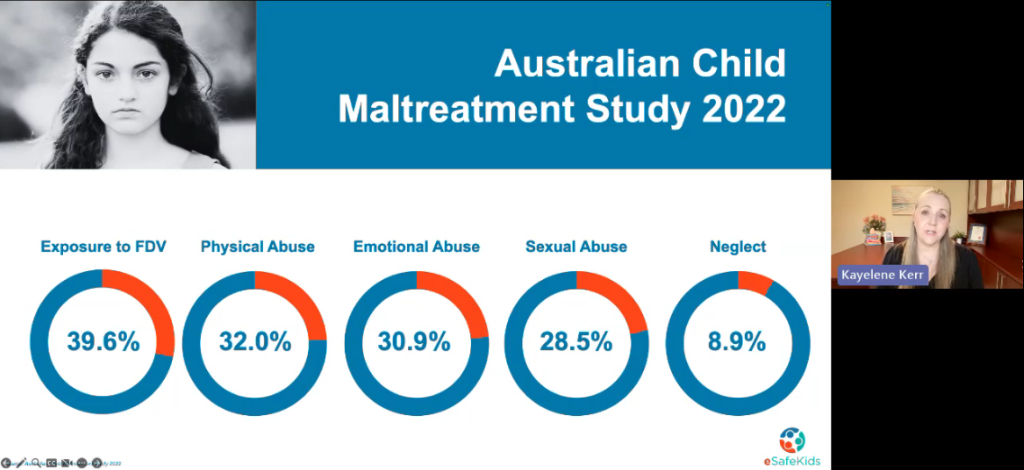
Child sexual abuse occurs across all communities, all demographics, and all settings… unfortunately including early childhood education and care. The statistics are sobering, and the impacts on children are profound and long-lasting. Yet misconceptions about who perpetrates abuse, how it happens, and what it looks like continue to get in the way of effective prevention and early intervention.
For ECEC services, understanding the true nature and prevalence of child abuse isn’t just important for compliance; it’s foundational to building a culture where children are genuinely protected, and where adults feel confident and equipped to act.
Grooming Doesn’t Always Look the Way You’d Expect
One of the most critical areas of awareness for anyone working with children is understanding grooming behaviours. Grooming is rarely sudden or obvious. It is typically a gradual process, one that can be easy to miss, easy to rationalise, and deliberately designed to be both. Perpetrators build trust with children, families, and service communities over time, and the warning signs are often only clear in hindsight.
This is why awareness training matters. When educators and leaders understand what grooming can look like in an ECEC context, they are far better placed to notice something early, raise a concern without hesitation, and contribute to a culture where safeguarding is everyone’s active responsibility, not just a policy on a shelf.
Children Displaying Harmful Sexual Behaviours: A Challenging but Important Topic
Another area that services often feel underprepared for is responding to children who display harmful sexual behaviours. This is a topic that can feel uncomfortable to raise, but it is one that early childhood professionals need to be equipped to navigate, with clarity, care, and the right knowledge behind them.
Understanding the difference between age-appropriate sexual curiosity and behaviour that warrants concern is an essential part of child safeguarding in ECEC settings. Knowing how to respond, who to involve, and how to support all children involved is something every service should have a clear approach to.
Safeguarding Is a Whole-of-Service Responsibility
Effective child safeguarding isn’t the job of one person or one policy. It requires a whole-of-service approach; where every member of the team understands their role, protective factors are actively strengthened, and risk factors are identified and reduced. It also extends beyond the walls of the service itself, encompassing the broader community of families, volunteers, and others who interact with children in your care.
This is also the direction national child safety reforms are heading. Recent and proposed changes to the National Law and Regulations; including refinements to Quality Area 2 Element 2.2.3, updated notification timeframes, new requirements around digital technologies and personal device use, and mandatory child safety and child protection training, all point toward a sector-wide expectation that safeguarding is embedded, active, and demonstrable.
On Working with Children Checks, the rules are now tighter. Staff and volunteers must hold a current clearance and have it verified before they commence, not while their application is being processed. Both staff and approved providers have new notification obligations when WWCC status or VIT registration changes. If your current onboarding process doesn’t reflect this, it needs to be updated.
Go Deeper With Our On-Demand Webinar
Understanding these issues at a surface level is a start, but real safeguarding capability comes from deeper learning, honest reflection, and practical application.
ACA Victoria recently hosted an important professional learning session with Kayelene Kerr; one of Australia’s leading specialists in body safety, online safety, and digital wellbeing, founder of eSafeKids, and an endorsed Trusted eSafety Provider with the Australian eSafety Commissioner. With 28 years of experience in law enforcement and specialist education, Kayelene brings a rare depth of knowledge to this topic, and presents it in a way that is clear, practical, and directly relevant to ECEC settings.
The session uses a real ECEC case study to bring the content to life, and covers everything from child abuse facts and myths, grooming behaviours, and children displaying harmful sexual behaviours, through to practical safeguarding strategies and key national reform areas.
The recording is available now: free to access for anyone in the sector.
Please note: This session covers national child safety content and does not include Victorian-specific legislative reforms. It is intended for general professional learning purposes. Services should refer to ACECQA and relevant legislation for obligations specific to their service.
Watch the Recording
Fill the form below to access the webinar recording and stay informed.
For more details on everything Child Safety in ECEC check out our dedicated webpage.